Why Margin Trading Brokers Matter
For many retail traders in the U.S., margin trading is the next step after learning the basics of investing. It allows you to borrow funds from your broker, giving you more buying power to trade stocks, ETFs, and other assets. While this can increase your potential profits, it also comes with added risks.
Choosing the right margin trading broker is crucial. The difference between a broker charging 6% interest and one charging 13% could mean hundreds or even thousands of dollars in costs over time. Beyond interest rates, your trading experience also depends on the broker’s platform, customer support, and available tools.
In this 2025 guide, we’ll compare the best stock brokers USA offers for margin trading. We’ll cover interest rates, pros and cons, platforms, and more. If you’re new to trading for beginners or an intermediate trader looking for better features, this guide will help you pick the right broker. We’ll also explore an alternative path: prop firms like TradeThePool, where you can trade without risking your own capital.
What Is Margin Trading?
Margin trading means borrowing money from your broker to increase your position size. Instead of trading with just your deposit, you can amplify trades using leverage.
Benefits of Margin Trading
- Increased buying power
- Ability to short stocks
- Diversification with limited capital
- Potentially higher returns
Risks of Margin Trading
- Amplified losses
- Margin calls if equity falls below required levels
- Interest costs add up quickly
- Requires disciplined risk management
Key Factors When Comparing Margin Trading Brokers
Before opening a margin account, consider these important factors:
- Margin Interest Rates – Lower rates = cheaper borrowing.
- Platform Tools – Charting, order types, and risk controls matter.
- Account Minimums – Some brokers require $2,000+ for margin.
- Tradable Assets – Stocks, ETFs, options, and more.
- Customer Support & Education – Especially helpful when trading for beginners.
Best Margin Trading Brokers in the U.S. (2025)
Here’s a side-by-side comparison of the best trading platforms for margin trading in 2025:
| Broker | Margin Rate (Approx.) | Account Minimum | Platform Strengths | Best For |
|---|---|---|---|---|
| Interactive Brokers | ~6.83% | $0 | Advanced tools, global markets | Active & professional traders |
| Webull | ~9.49% | $0 | Mobile-first, modern interface | Beginners & intermediates |
| Robinhood | ~12% (Gold) | $0 | Simple app, instant deposits | Casual investors |
| Fidelity | ~12.075% | $2,000+ margin | Strong research & retirement tools | Long-term investors |
| Charles Schwab | ~13.58% | $2,000+ margin | Retirement focus, wide resources | General investors |
| TD Ameritrade | ~13.5% | $2,000+ margin | Thinkorswim platform, education | Active learners |
Broker Deep Dive
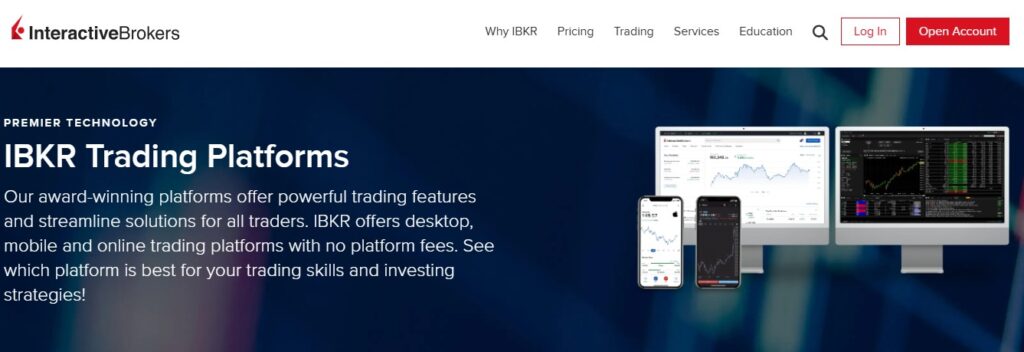
1. Interactive Brokers (IBKR)
Best For: Professional and global traders
Pros:
- Lowest margin rates in the industry
- Access to 135+ international markets
- Professional-grade platforms (TWS, IBKR Mobile)
- Strong risk controls
Cons:
- Complex for beginners
- Steep learning curve
User Experience: IBKR is the top choice if you want low commission brokers and the best margin rates. It’s ideal for serious traders.
2. Webull
Best For: Beginners and intermediates

Pros:
- $0 commissions on stocks/ETFs
- Easy to set up and use
- Good mobile-first platform
- Extended-hours trading
Cons:
- Limited retirement tools
- Margin rates higher than IBKR
User Experience: Webull strikes a balance between simplicity and functionality. It’s more advanced than Robinhood but easier than IBKR, making it one of the best trading platforms for new traders.
3. Robinhood
Best For: Casual investors
Pros:
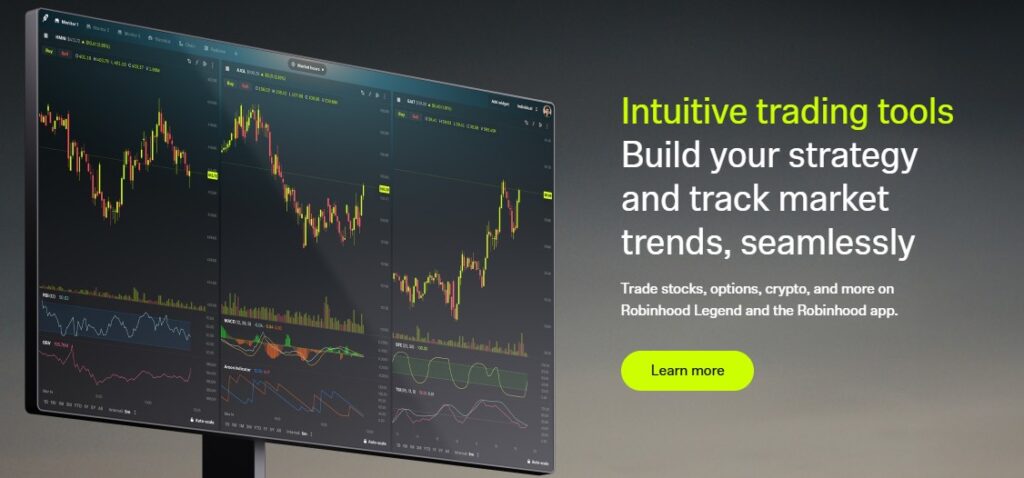
- User-friendly app
- Commission-free trades
- Instant deposits with Gold membership
Cons:
- Limited research and analysis tools
- Higher margin rates
- Regulatory history concerns
User Experience: Robinhood is popular for trading for beginners, but margin costs can be expensive. It’s great for simplicity, but not for serious leveraged traders.
4. Fidelity
Best For: Long-term investors with occasional margin needs

Pros:
- Trusted U.S. broker
- Excellent customer service
- Strong research tools
Cons:
- Higher interest rates
- Less focus on active day trading
User Experience: Fidelity is more suited for investors who occasionally use margin, rather than those trading daily with leverage.
5. Charles Schwab
Best For: Retirement-focused investors

Pros:
- Full-service broker
- Great retirement planning tools
- Fractional shares available
Cons:
- High margin rates
- Platform less advanced for traders
User Experience: A strong all-around broker, but not the cheapest margin option. Best for long-term investors needing stability.
6. TD Ameritrade
Best For: Active learners and traders

Pros:
- Top-rated Thinkorswim platform
- Excellent educational tools
- Strong customer support
Cons:
- High margin rates
- Schwab integration may bring changes
User Experience: Perfect for those who want to learn margin trading while using advanced tools. Not the cheapest, but great for education.
Margin Rates Comparison Chart
| Broker | Margin Rate (Approx.) |
| Interactive Brokers | ~6.83% |
| Webull | ~9.49% |
| Robinhood | ~12% |
| Fidelity | ~12.075% |
| Charles Schwab | ~13.58% |
| TD Ameritrade | ~13.5% |
Note: Rates vary by balance and market conditions. Always confirm current rates with your broker.
Prop Trading as an Alternative to Margin
While margin accounts let you borrow from brokers, they still require upfront capital and interest costs. But what if you could trade with no large deposit?
This is where prop firms come in.
Many traders are also exploring TradeThePool stock prop firm in 2025 — these stock prop firms fund traders, so you can trade with little or no deposit. Instead of paying margin interest, you trade with the firm’s money after passing a short evaluation.
Benefits of Prop Firms Like TradeThePool
- No large deposit needed when trading with a prop firm
- Access to funded accounts up to $260,000
- Clear risk management rules
- Prop firms help you get funded to trade remotely
👉 Learn more at TradeThePool.com
FAQ: Margin Trading Brokers
1. What is the best broker for margin trading in the USA?
Interactive Brokers is often rated #1 for low interest rates and global access. Webull and Fidelity are solid alternatives.
2. How much money do I need to start margin trading?
Most brokers require at least $2,000. Some, like Robinhood and Webull, allow smaller balances but margin is still risky.
3. Can beginners use margin accounts?
Yes, but it’s risky. Beginners should start small or use paper trading before trading with leverage.
4. Do all brokers charge the same margin interest?
No. Rates vary widely — from ~6% at IBKR to ~13% at TD Ameritrade and Schwab.
5. What happens if I get a margin call?
You must add more funds or sell assets. If not, your broker can liquidate your positions.
6. Is prop trading better than margin trading?
It depends. Prop trading lets you use firm capital without borrowing, while margin requires paying interest on borrowed funds.
7. Can I trade options on margin?
Yes, most brokers allow it, but the risks are even higher. Proper risk management is essential.
Conclusion
Margin trading can be powerful, but it comes with costs and risks. The best stock brokers USA offers — like Interactive Brokers, Webull, and Fidelity — each serve different needs. Low commission brokers and platforms with strong risk tools should be your top priority.
But remember: you don’t always need margin to trade with leverage. Prop firms like TradeThePool offer an alternative where you can trade funded accounts without risking your own savings.
Want to start trading without using your own money? Explore the top-rated stock prop firm tradethepool.com.